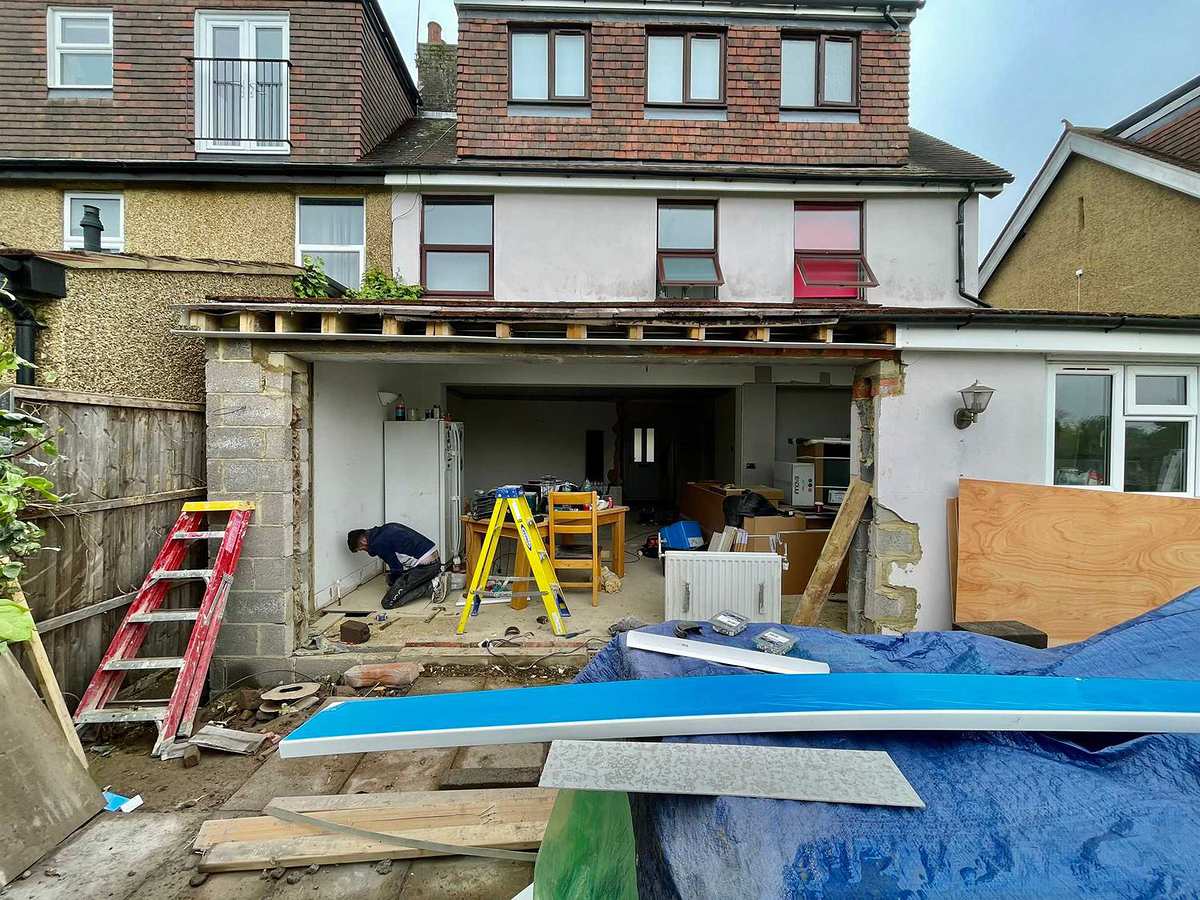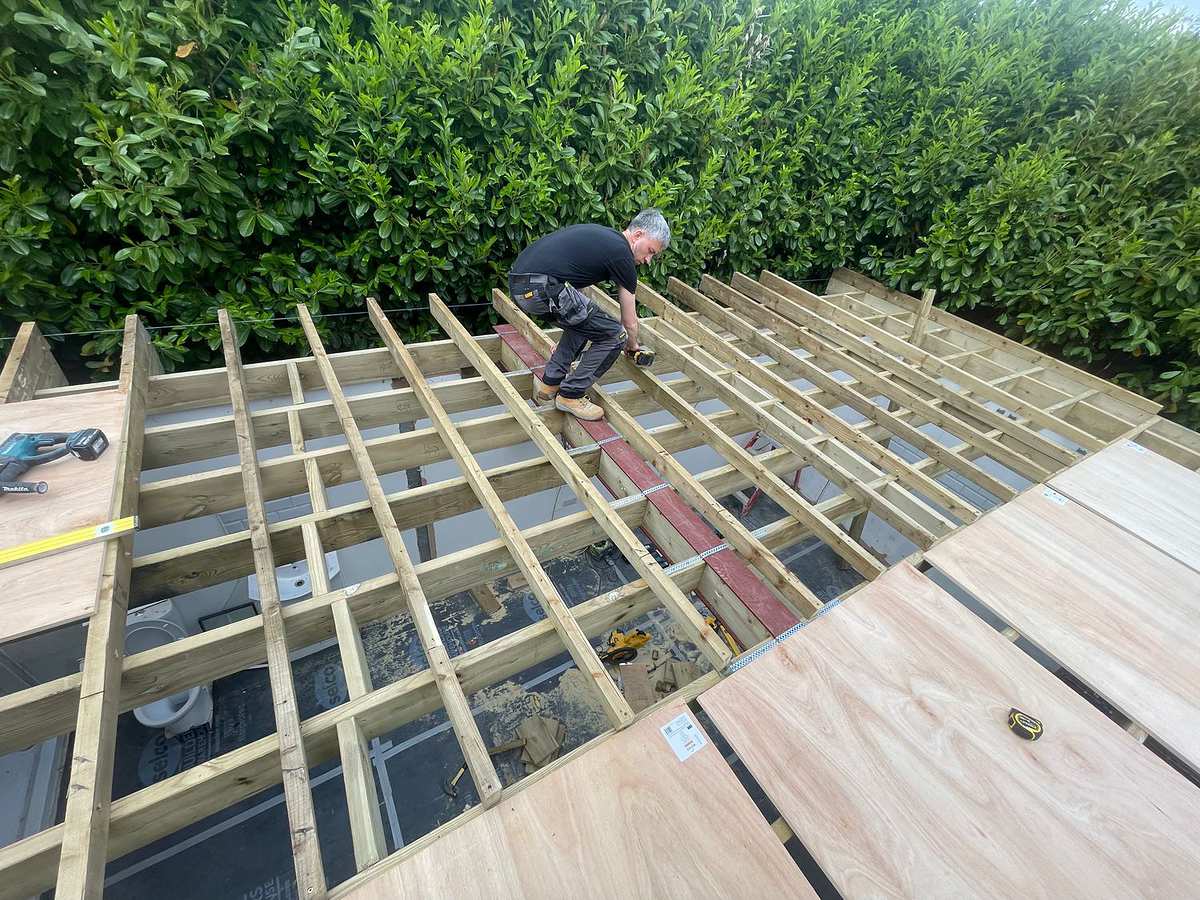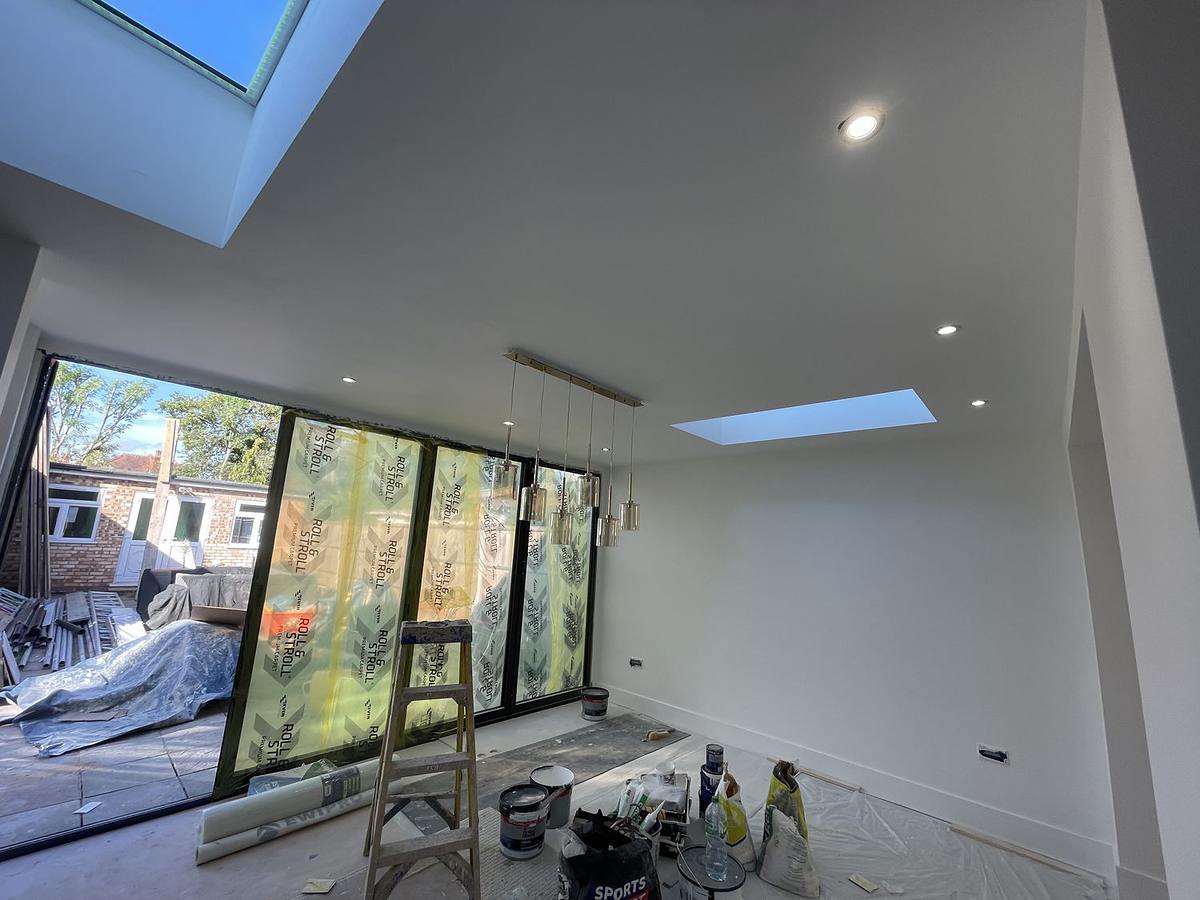
A house extension in St Albans follows the same national rules as anywhere in England, but the local details matter. Your plans are decided by a different council from ours in Hemel Hempstead, much of the city sits in a conservation area, and most of the land around it is Green Belt.
This guide sets out what to check before you commit to drawings. It is general guidance for houses, not flats. We confirm the position for your own address on the first site visit.
Which council decides
St Albans is not part of Dacorum. Planning applications, conservation area questions and building control in the city are handled by St Albans City and District Council. The district also covers Harpenden, London Colney, Redbourn, Wheathampstead and the surrounding villages.
This matters because local policies differ between councils. The council adopted a new Local Plan on 9 September 2026, and its design, heritage and Green Belt policies are what a planning officer will test your extension against.
Permitted development: the starting point
Many single-storey extensions do not need a planning application, because they fall under permitted development. These rights apply to houses only. The main limits are:
- A single-storey rear extension can go up to 3 metres beyond the original rear wall of a semi or terrace, or 4 metres for a detached house, and no higher than 4 metres.
- Eaves can be no higher than 3 metres if the extension is within 2 metres of a boundary.
- A side extension must be single storey, no higher than 4 metres and no wider than half the original house.
- A two-storey rear extension can go no more than 3 metres deep and must stay at least 7 metres from the rear boundary.
- Extensions and other buildings can cover no more than half the land around the original house, and materials should look similar to the existing house.
Outside conservation areas, you can go deeper with a single-storey rear extension (6 metres, or 8 for a detached house) by applying for prior approval first. The council also warns that rights may have been removed by a condition on the original planning permission, which is common on newer estates, or used up by earlier extensions. For more detail, see our guide to planning permission for extensions. The national rules are the same here.
Conservation areas and Article 4 streets
There are 19 conservation areas in the district. The St Albans Conservation Area itself was one of the first in the country, designated in 1969 around the medieval core and extended several times since. It now takes in Verulamium, the Abbey and its surroundings, Fishpool Street and St Michael's, Holywell Hill, London Road and Verulam Road, and a large number of Victorian and Edwardian residential areas such as Clarence Park, Alma Road and Priory Park, and the Spencer Park Estate. Other conservation areas include Harpenden, Redbourn, Wheathampstead, Sandridge and Cunningham Avenue.
In a conservation area, permitted development is cut back. All side extensions and all rear extensions of more than one storey need planning permission, and you cannot clad the outside. The council must also consider whether a proposal would preserve or enhance the character of the area.
Some streets go further. The council lists Article 4 directions in parts of its conservation areas, including Verulam and Fishpool Street, Sopwell Lane and Albert Street, Cunningham Avenue and Childwickbury. Using Fishpool Street as an example, the council says that in these areas most of your permitted development rights will have been removed. If you are in or near one of these, assume you need an application. Our conservation area guide explains how to approach the design.
Homes in the Green Belt
According to the council's Local Plan, over 81% of the district is Green Belt. Villages such as Sandridge, Colney Heath, Smallford, Sleapshyde and Gustard Wood are washed over by it, so homes there are inside the Green Belt itself.
The Local Plan's Policy LG9 says an extension should not create a building that is disproportionately larger than the original building. The original building means the house as it stood on 1 July 1948, or as first built if it is newer, so earlier extensions count. The plan gives indicative size limits, which vary with how visible the extension is and what type it is, and the council judges each case on its merits. If your home is in the Green Belt, size and siting need careful thought from the start.
Making a householder application
If your plans go beyond permitted development, you submit a householder application to the council, ideally online through the Planning Portal. Check the Planning Portal for the current fee. The council aims to decide most applications within 8 weeks of the date the application is validated.
Neighbours who share a boundary with you are normally sent a letter and given 25 days to comment. For householders, the council currently offers written pre-application advice, which can be worth it for a tricky site or a conservation area. If you just want certainty that a project is permitted development, you can apply for a lawful development certificate.
Building control and party walls
Every extension needs building regulations approval, whatever the planning route. You can use the council's service or a registered building control approver. The council's building control is a shared service run with Watford Council.
Much of the city's older housing, especially in the Victorian and Edwardian parts of the conservation area, is terraced or semi-detached. Extensions to these homes often involve work on or near a shared wall, so the Party Wall Act is likely to apply. You must give your neighbours notice between 2 months and a year before work starts. If you cannot agree, a surveyor is appointed and draws up a party wall award. It is separate from planning and building regulations. Our Party Wall Act guide covers the notices.
How we can help
We work across Hertfordshire, including St Albans. On the first visit we check whether your house is in a conservation area, an Article 4 street or the Green Belt, which planning route fits, and what the party wall position is. We then organise the drawings and submissions as part of the job. See our house extensions page for how we work.
Common questions
Is St Albans covered by Dacorum Borough Council?
No. St Albans is in St Albans City and District, so planning and building control are handled by St Albans City and District Council, not Dacorum.
Can I extend under permitted development in a St Albans conservation area?
Partly. A single-storey rear extension within the national limits can still be permitted development, but side extensions and rear extensions of more than one storey need planning permission. On streets with an Article 4 direction, such as Fishpool Street, most rights have been removed.
How long does a householder planning application take in St Albans?
The council aims to decide most applications within 8 weeks of validation. Allow extra time before that for drawings, and after for any conditions.
Can I extend a house in the Green Belt?
Yes, but the council's Local Plan says the extension must not make the building disproportionately larger than the original house, and it judges each case on its merits.
General guidance for homeowners in England, written in October 2026. Every house is different, so we go through the details for your property on the free site visit.